Blog

  • Designing Truly Child-Friendly Bathrooms: An In-Depth Guide for Practical, Safe & Growth-Ready Family Spaces

    Designing a bathroom that works for children isnโ€™t about splashing a little colour on the walls and calling it โ€œkid-friendly.โ€ It requires thoughtful ergonomic planning, safety engineering, long-term adaptability and smart organisation. Below, I break down each design consideration from a professional bathroom design perspectiveโ€”the kind that saves parents time, prevents stress, encourages independence, and stands up to years of daily use.


    1. Functional Accessibility: Right Heights & Reach

    When kids canโ€™t reach what they need, you end up carrying them or adding unsafe makeshift steps. Rather than defaulting to a generic fixture height, adjust your bath sinks and vanities to suit child proportions:

    • Install sinks and vanities lower than adult standard height. A countertop around 27โ€“28 inches (700 mm) allows younger children to use the space independently without a step stool or balance risk.
    • If you expect the bathroom to serve older kids as well, consider wall-hung or adjustable systems. These allow you to raise or repurpose the space as children grow.

    Choosing the right bathroom vanity with sink placement is critical hereโ€”not just for height but for clearance space to avoid spills and bumps.


    2. Practical Storage: Intuitive Organisation

    Children tend to be inefficient organisersโ€”not because they are messy, but because they lack spatial cues. Hereโ€™s how to design storage that teaches order:

    • Use open shelving or transparent drawers directly accessed from child eye-level. This reduces โ€œlost itemโ€ moments and helps kids learn where items belong.
    • Integrate adjustable shelving in your bathroom sink cabinets so taller items like shampoo bottles or bulkier supplies can still be stored within reach with minimal adaptation.
    • Separate zones in cabinets for each childโ€™s toiletries to avoid mix-ups and foster responsibility.

    3. Safe Surfacing: Eliminate Slips and Hazards

    Bathrooms are wet zones, and children amplify risk through enthusiastic, unsteady movement.

    • Use non-slip flooring throughout. Textured tiles or safety vinyl with micro-grip reduce slipping risks better than smooth glazed tiles.
    • During fitting, avoid thresholds or level changes that could trip small feet.
    • Install thermostatic valves or anti-scald controls at both the shower and sink to prevent temperature shocks to sensitive skin.

    4. Scalable Fixtures: Serving the Present and Future

    The smartest child-friendly bathroom is one that will grow with your familyโ€”not need replacing every few years.

    • A double vanity bathroom layout can be a game changer in shared family usage. Even if space doesnโ€™t allow two separate sinks, wide countertop vanities or trough sinks with two faucets give children distinct zones for brushing, washing and prepping in the morning.
    • Think long term with bathroom sink cabinets that can transition to adult use later. Durable materials (water-resistant plywood, solid core cabinet fronts) and classic neutral finishes ensure longevity of style and function.

    5. Ergonomic Hardware & Details

    Beyond fixtures, the smaller elements matter as much as the big ones:

    • Install lever or extended-handle faucets that small hands can manipulate without strain.
    • Choose touch-catch or soft-close cabinetry hardware to prevent tiny fingers from getting pinched.
    • Offset or concealed towel rails and hooks at reachable heights empower children to dress themselves and hang towels properly.

    These details elevate a space beyond functional to intuitive.


    6. Personalisation with Purpose

    Kids respond emotionally to their environment. Thoughtful personalisation improves their comfort without compromising long-term design durability:

    • Add age-appropriate colours and patternsโ€”e.g., on shower curtains or accent wall tilesโ€”but anchor these with neutral, timeless surrounds so the room remains cohesive.
    • Allow children to select a theme or motif within limits. This fosters ownership and increases their likelihood of using the space responsibly.

    7. Safety Engineering Beyond the Obvious

    Beginners often focus on aesthetics, but professionals design with hazard mitigation in mind:

    • Round all exposed corners on countertops and cabinets to minimise bumps.
    • Position grab bars near the bath, toilet, and floor transitions. These arenโ€™t just for seniorsโ€”kids benefit immensely from stabilising points as they learn balance.
    • Fully lock away all medicine, cleaning products and small objects in secured cabinets.

    8. Maintaining Order with Integrated Solutions

    A child-friendly bathroom should reduce friction for every member of the family. Two well-integrated strategies:

    • Configure vanities for the bathroom with built-in bins and laundry drop-throughs to keep towels and waste off the floor.
    • Consider benches or low racks near the vanity for dressing routines.

    Final Thoughts: A Space That Works Hard

    A truly effective childrenโ€™s bathroom doesnโ€™t just look goodโ€”it elevates daily routines, encourages personal responsibility, and anticipates evolving needs. Thoughtful placement of bath sinks and vanities, practical cabinet design, intelligent storage solutions and proactive safety measures all contribute to a space that feels both functional and welcoming.

    By integrating all of the above with durable construction and adaptability at its core, youโ€™re not just designing a kidsโ€™ bathroomโ€”youโ€™re creating a functional home ecosystem that supports independence, safety and long-term value.

  • The Modern Kitchen, Considered in the Year 2026

    There was a timeโ€”not so very distantโ€”when the kitchen stood apart from the life of the house, a place of duty rather than delight, where meals were prepared and promptly forgotten. Yet in the year 2026, this humble room has claimed its rightful place at the center of domestic life, becoming both stage and sanctuary, workshop and meeting hall, shaped not by excess but by intention.

    To step into one of todayโ€™s Modern kitchens is to witness a quiet revolution. Here, nothing clamors for attention, yet everything is carefully resolved. Surfaces align with purpose, spaces breathe with order, and the room itself seems to understand the habits of those who dwell within it.

    Of Purpose and Practical Wisdom

    A well-made kitchen is not born of ornament, but of understanding. The wise Kitchen designer begins not with color charts or fashion, but with the simple question of movement: how one enters, prepares, cooks, cleans, and lingers. These motionsโ€”so often overlookedโ€”form the invisible framework upon which all good kitchens are built.

    In such rooms, kitchen cabinets do far more than store. They guide the hand and steady the mind. Drawers glide where they are needed. Shelves accept their burdens without complaint. Doors close with a hush, as if mindful of conversation nearby. These are not embellishments; they are acts of courtesy toward daily life.

    The Character of Modern Kitchen Cabinets

    If the walls are the bones of the kitchen, then Modern kitchen cabinets are its character. In 2026, they speak with restraint and confidence. Their lines are clean, their proportions measured, their finishes chosen not for novelty but for endurance.

    There is, too, a return to warmth. A thoughtfully designed Wood cabinets kitchen brings a certain humanity to the space. Grain and texture temper steel and stone, reminding us that a kitchen is not a machine, but a place of human labor and pleasure. Wood, properly chosen and well finished, bears the marks of time with dignity.

    A Room That Understands Its Inhabitants

    Modern life asks much of the kitchen. It must serve meals, host conversations, shelter hurried breakfasts and unplanned evenings alike. Thus, the best Modern kitchen styles of our day favor clarity over clutter, calm over display.

    Zones emerge naturally: places for preparation, for cooking, for cleaning, and for gathering. Though often open to adjoining rooms, the kitchen maintains its own order, its own sense of purpose. What must be seen is seen. What may be hidden is respectfully concealed.

    Lighting, too, plays its part. Gentle illumination beneath cabinets, steady light over work surfaces, and softer glows in corners where one might pause with a cup in handโ€”these details lend the kitchen its mood and mercy.

    Materials That Age With Grace

    In 2026, fashion yields to permanence. Finishes are chosen for how they will look not tomorrow, but years hence. Surfaces invite touch. Colors settle into the room rather than shouting across it. Whites grow warmer. Neutrals deepen. Darker tones lend weight and calm.

    Such kitchens do not seek admiration at first glance. They earn it through use.

    The Living Heart of the Home

    And so the modern kitchen standsโ€”not as a showpiece, but as a companion to daily life. It witnesses early mornings and late evenings, quiet meals and lively gatherings. It is wiped, worn, and returned to order again and again.

    A truly successful kitchen does not announce itself. It supports. It endures. It becomes, over time, inseparable from the life it shelters.

    In this way, the modern kitchen of 2026 is not merely designedโ€”it is lived in.

  • The Ultimate Guide to Modern Italian Furniture

    The Ultimate Guide to Modern Italian Furniture

    The Timeless Elegance of Italian Design

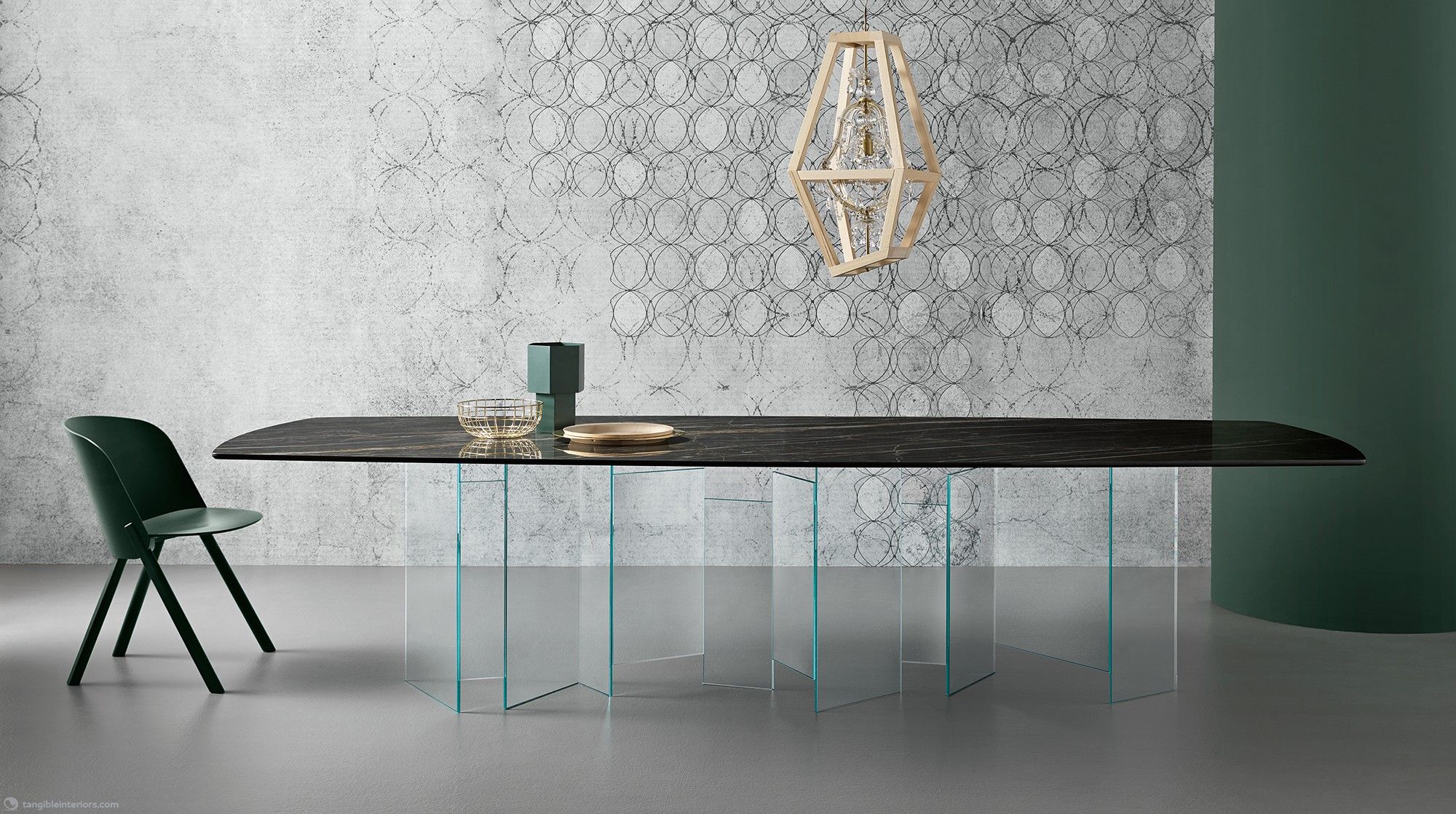
    Modern Italian furniture represents the pinnacle of contemporary home design, seamlessly blending centuries-old craftsmanship with cutting-edge aesthetics. When you invest in Italian dining furniture, you’re not just purchasing pieces for your homeโ€”you’re acquiring works of art that transform your dining space into a sophisticated sanctuary. From sleek Dining Tables to ergonomic chairs, luxurious stools, and statement sideboards, Italian furniture design continues to set global trends in interior dรฉcor.

    Modern Italian Furniture“>(more…)
  • 247 Gift ideas for men under $100

    247 Gift ideas for men under $100

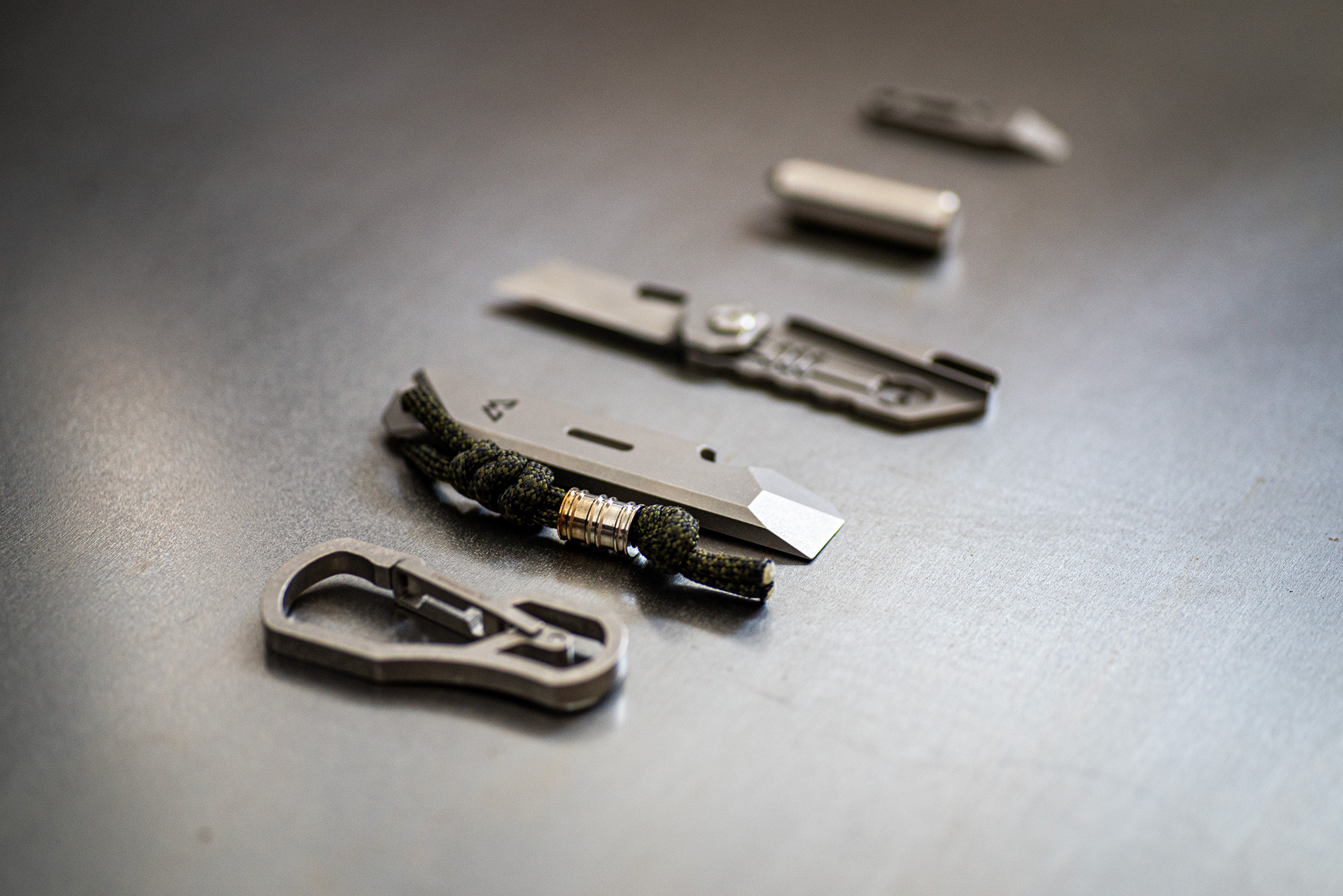
    Finding the perfect gift ideas for men under $100 doesnโ€™t have to be challenging. Whether youโ€™re shopping for a boyfriend, husband, dad, brother, or friend, there are plenty of affordable gifts that feel premium, practical, and personal. From everyday carry essentials to mancave upgrades, grooming products, and stylish accessories, this guide highlights some of the best gifts for men that balance quality and value. If youโ€™re looking for unique, useful, or meaningful presents heโ€™ll actually love, these categories make it easy to discover something that fits his lifestyle.

    Gift ideas for men under $100″>(more…)
  • Winter 2025 Closet Forecast: Editorial Predictions for Cold-Season Storage

    Winter 2025 Closet Forecast: Editorial Predictions for Cold-Season Storage

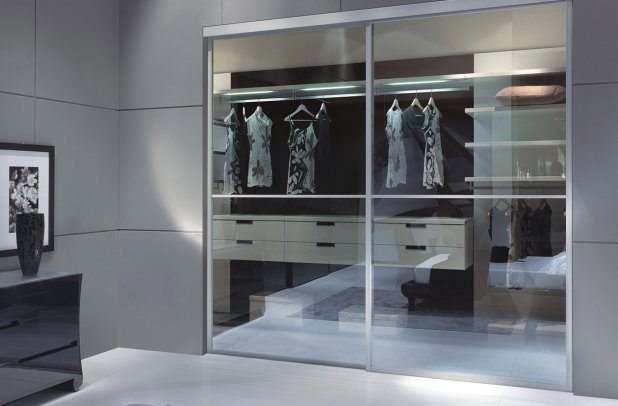
    As winter settles across the design landscape, we’re witnessing a profound shift in how luxury storage addresses the season’s complex demands. Following comprehensive coverage of winter design showcases from Aspen to St. Moritz, plus exclusive access to the year’s most ambitious residential projects, I’m presenting our definitive winter 2025 closet forecast.

    This season introduces what I’m calling “hibernation luxury” โ€“ storage solutions that transform winter’s challenges into opportunities for sophisticated comfort. Here’s what will define winter’s most coveted interior investments.

    Winter’s Signature Storage Evolution

    Walk-in Closets: Cold-Season Sanctuaries

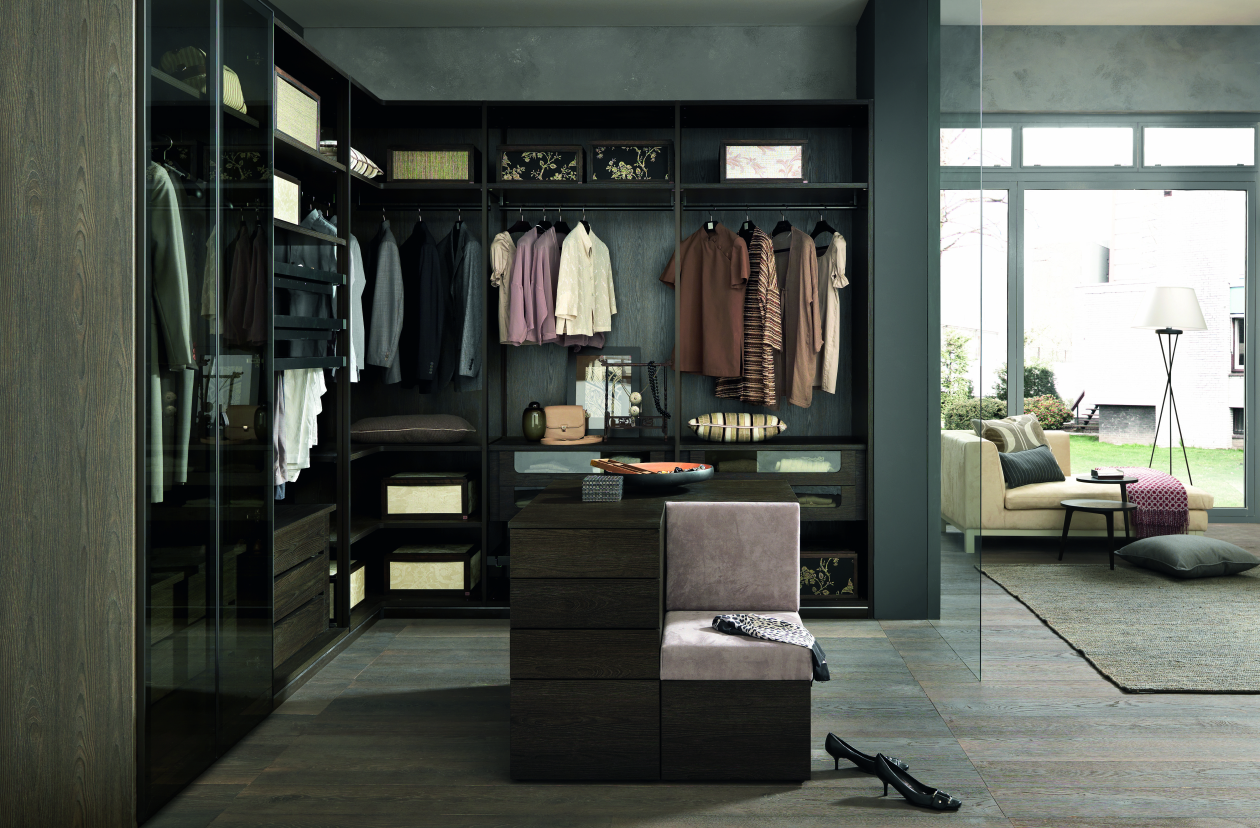
    Winter 2025’s walk in closets are evolving into what designers term “thermal retreats” โ€“ spaces that provide respite from harsh weather while accommodating the season’s demanding wardrobe requirements. The most impressive installations I’ve documented this winter feature radiant floor heating, automated climate control, and lighting systems that combat seasonal affective challenges.

    (more…)